
Think custom software development is only for large enterprises with big IT budgets? In reality, it can be just as valuable for small businesses in Singapore. Whether it’s managing daily tasks, keeping business information organised or connecting different tools, custom software for business helps SMEs reduce manual work, improve productivity, and bring business processes together in ways generic solutions may not.
At Techzu, a custom software development company with over 6 years of experience, we’ve seen firsthand how custom software can make a difference for small businesses in Singapore across different industries. From helping bubble tea chains manage multiple outlets to helping aircon companies coordinate technicians, we’ve delivered over 120 projects designed around real Singapore business needs. In this article, we’ll explore 10 core benefits of custom software development for small businesses in Singapore, with practical examples from the kinds of challenges we’ve helped businesses solve.
1. Software That Fits Your Business Needs and Workflows

Custom software is developed around your business’s specific processes, allowing your team to manage daily tasks in a way that matches how your company operates. Unlike off-the-shelf software, which provides standardised features for a broad range of users, custom solutions can accommodate specialised workflows without forcing employees to rely on unnecessary features or manual workarounds.
For example, a Singapore air-conditioning servicing company may need to coordinate customer enquiries, technician assignments, spare parts, installation schedules and maintenance contracts. A generic scheduling application may handle appointments, but it may not connect all these activities.
Techzu experienced this with a Singapore HVAC company that relied on Google Sheets, WhatsApp and paper records to manage its service operations. We developed a custom Field Service Management System around the company’s actual workflow, covering job scheduling, inventory checks, technician histories, invoicing and contract renewals.
Instead of managing each activity separately, the company can now handle its service operations through one system designed for its needs. This is particularly useful for SMEs with specialised processes that ready-made software cannot fully support.
| 💡 A reliable custom software development company will take specific requirements into account when designing a solution, rather than simply offering a standard scheduling system. |
2. Increased Productivity Through Business Process Automation

Custom software solutions improve employee productivity by automating repetitive administrative tasks, allowing your team to spend less time on manual work and more time on activities that require their attention.
For many Singapore SMEs, tasks such as preparing documents, sending reminders, updating customer records and processing requests are still handled manually. Although each task may only take a few minutes, the time adds up when employees have to repeat them throughout the day.
With workflow automation, software can perform these tasks automatically based on predefined instructions. For example, a system can generate an invoice when an order is completed, send a reminder before an appointment or assign an incoming enquiry to the appropriate salesperson.
A good example is our work with a Singapore corporate secretarial services provider. Its employees previously relied on Excel, OneDrive, WhatsApp and email to manage client documents and compliance deadlines.
We developed a Corporate Secretarial System with bulk document generation, automated compliance reminders and electronic signatures. Employees can generate multiple documents using existing templates and client information instead of preparing each document individually. Work that previously took an afternoon can now be completed in minutes.
For small businesses with limited manpower, automating these administrative tasks can make a meaningful difference to how much work a team can handle.
3. Seamless Integration With Existing Business Systems

Custom software can connect your existing business applications, allowing information to move between platforms without employees having to repeatedly enter the same data.
As Singapore businesses grow, they often adopt different tools for accounting, customer management, inventory, payments and operations. However, these systems may not automatically share information. Employees then have to transfer data manually, which creates additional work and increases the risk of inconsistent records.
For example, a business using custom accounting software may need to connect it with its CRM and inventory systems to keep customer, sales and financial records consistent. Development of custom software can address this through integrations with existing platforms using APIs and other connection methods.
For example, a retail business could connect its customer management system with its inventory and accounting platforms. When a customer places an order, the relevant information can be shared with the other systems without requiring employees to update each one separately.
Techzu’s Field Service Management System for an HVAC company demonstrates this in practice. When a technician completes a service job, the system automatically generates an invoice and synchronises it with the company’s accounting process. This means the business can keep using relevant existing tools while connecting them through a system that brings its operations together.
4. Fewer Manual Errors and More Accurate Business Records
Custom software helps reduce human errors by standardising how business information is recorded, updated and processed. This is especially useful for Singapore SMEs that handle large volumes of customer records, sales transactions, inventory or service appointments. When employees rely on spreadsheets and manual data entry, mistakes such as incorrect stock quantities, duplicated customer records and missed updates can affect other business activities. These errors may lead to unnecessary follow-ups, delayed orders or incorrect information being shared with customers.
A custom system can apply predefined rules and automatically update relevant records when an activity takes place. For example, an inventory management system can deduct stock when an order is confirmed, while a scheduling system can check technician availability before assigning a service appointment.
Techzu encountered this challenge with the Singapore HVAC company mentioned earlier. Previously, technicians had limited access to customers’ previous service records, meaning they often had to start each visit without knowing the full service history. The custom system now gives technicians access to customer histories, including previous issues, parts used and service notes. According to the case study, all technicians arrive with access to the customer’s service history, helping them prepare for each job more effectively.
By keeping information accurate and accessible, businesses can avoid preventable mistakes and provide more consistent service.
5. Better Business Decisions Through Centralised Data and Reporting
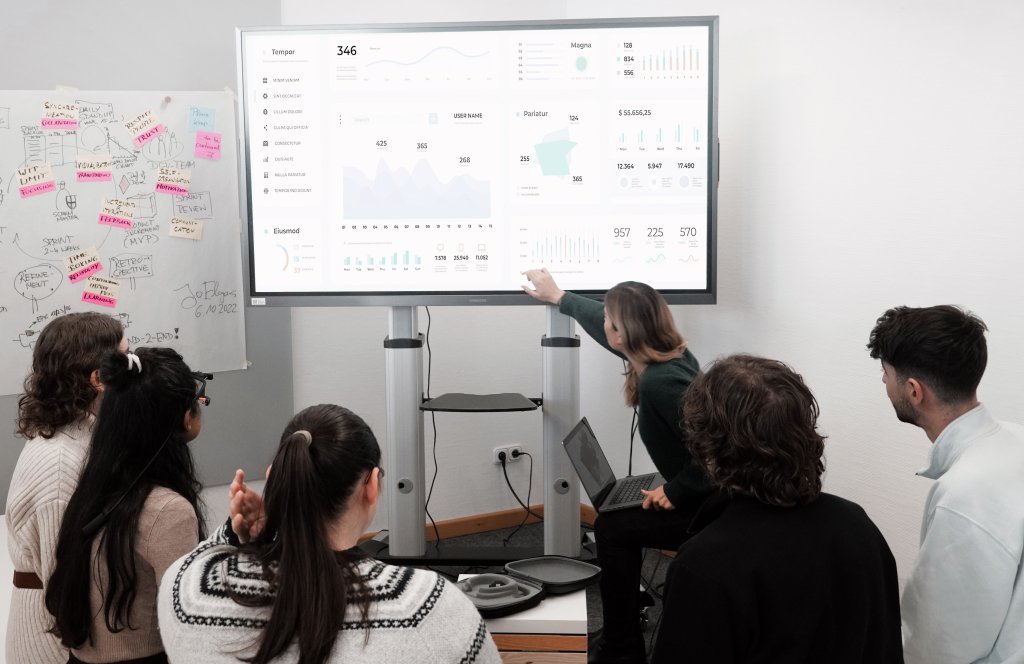
Custom software solutions help business owners make more informed decisions by bringing important business information into one place and presenting it through clear reports and dashboards. When sales, marketing, inventory and customer information are stored across different platforms, it can be difficult to understand how the business is performing. Employees may need to compile spreadsheets or request updates from different departments before management can identify problems or plan their next steps.
A custom reporting dashboard can display relevant information in one place, such as:
- Monthly sales and revenue
- Outstanding invoices and customer payments
- Inventory levels and stock movements
- Incoming enquiries and sales conversions
- Employee and outlet performance
- Customer retention and repeat purchases
For example, Techzu developed a Customer Lifecycle Management System for a Singapore water purification retailer. The system connects lead management, quotations, stock availability, installation scheduling and sales reporting. Management can monitor incoming enquiries, salesperson performance, revenue forecasts and marketing conversions without manually compiling information from separate spreadsheets.
This gives business owners a clearer picture of what is happening across their operations. They can identify which marketing activities generate sales, monitor performance and make decisions based on more consistent information.
6. Improved Customer Experience and Faster Service Delivery
A well-designed custom software application can improve customer experience by making it easier for people to interact with your business, complete transactions and receive updates without unnecessary delays. For Singapore SMEs, this could mean allowing customers to book appointments online, check order statuses, access their account information or receive automatic notifications instead of contacting employees for every request.
Depending on your business, useful features may include:
- Online booking and appointment management
- Customer portals for accessing documents and account information
- Automated order and appointment notifications
- Digital payment and checkout options
- Customer enquiry and support management
- Loyalty programmes and personalised promotions
Techzu demonstrated this through an integrated ordering and loyalty ecosystem for a Singapore bubble tea chain. As the business expanded across multiple outlets, its original systems could not provide a consistent experience across counter orders, self-service kiosks and mobile app purchases.
Techzu developed an integrated system connecting the customer mobile app, kiosks, point-of-sale system, kitchen display and delivery routing. Customers can use the same loyalty programme across different ordering channels, while delivery orders are automatically routed to the nearest outlet based on postal code. This gives customers a more consistent ordering experience while helping the business coordinate orders across its outlets.
7. Scalable Software That Grows With Your Business

Custom software can be expanded as your business grows, allowing you to introduce new features, support more users and accommodate changing operational requirements without having to replace your entire system. A Singapore SME may start with a basic custom software application for customer management but eventually need additional functions as its customer base and team expand. These could include automated quotations, inventory management, employee permissions, customer portals and management reporting. With the development of custom software, these features can be planned and introduced in stages based on business priorities.
Techzu’s bubble tea chain project is a good example of why scalability matters. The business had expanded from one outlet into a multi-outlet operation, but its original systems were not designed to support the complexity of managing loyalty, ordering and operations across different locations. The integrated ecosystem developed by Techzu connects its mobile app, self-ordering kiosks, point-of-sale system, kitchen display and delivery operations. It also provides management with real-time information across outlets to support product, marketing and manpower decisions.
For growing SMEs, having software that can accommodate new requirements makes it easier to expand operations without introducing more disconnected tools.
8. Greater Control Over Software Features and Future Development
Custom software gives businesses greater control over which features they need, how their systems operate and what improvements should be prioritised as their requirements change. With off-the-shelf software, businesses depend on the provider’s available features, pricing plans and product development roadmap. If an important function is unavailable, you may need to purchase another application, pay for an additional subscription or wait for the provider to introduce it.
Working with a custom software development firm to develop a custom software gives you more flexibility to plan new features and improvements based on your business needs. For example, a Singapore SME might initially commission a CRM system to manage customer enquiries and sales activities. As the business grows, it may want to add automated follow-ups, quotation generation, customer portals and sales performance dashboards. These enhancements can be planned around the company’s priorities instead of relying entirely on a third-party provider’s product updates.
Businesses should also clarify software ownership, source code access, licensing and handover arrangements with their development company. Custom software solutions do not automatically mean the business owns all intellectual property. These responsibilities should be agreed upon before development begins. This gives business owners a clearer understanding of how they can maintain, modify and develop their software in the future.
| Before engaging a custom software firm, clarify who owns the source code, whether you can access it and what happens if you decide to work with another development partner in the future. |
9. Lower Long-Term Operational Costs

Investing in the right custom software for business can reduce long-term expenses by consolidating overlapping tools, reducing manual work and addressing operational inefficiencies that create recurring costs.
Many Singapore SMEs use several subscription-based applications to manage different parts of their business. These may include separate platforms for customer management, inventory, scheduling, reporting and communication. As the number of employees and business requirements increases, subscription fees, additional user licences and paid integrations can add up.
A custom solution may bring relevant functions together, reducing the need to maintain multiple overlapping applications. Businesses may also save on operational costs through:
- Less time spent on repetitive administrative tasks
- Fewer errors that require additional work to correct
- Reduced manual data entry across departments
- Less dependence on unnecessary software subscriptions
- More efficient use of employee time and resources
However, custom software is not automatically cheaper than off-the-shelf solutions. Businesses must consider the initial development investment as well as ongoing hosting, maintenance, support and future enhancements.
The better way to compare costs is through total cost of ownership (TCO), which looks at the overall expenses of using and maintaining software over several years rather than comparing only the initial development fee with a monthly subscription. For SMEs with specialised workflows or multiple recurring software expenses, custom software solutions may offer better long-term value when the savings and operational improvements justify the investment.
10. Better Data Security and Access Control for Singapore Businesses
Custom software allows businesses to implement security features and employee access permissions based on the type of information they handle and how their teams use the system. This is particularly important for Singapore businesses that collect and manage personal data, including customer contact details, employee records, transaction histories and service information.
Under Singapore’s Personal Data Protection Act (PDPA), organisations must make reasonable security arrangements to protect personal data in their possession or under their control, as outlined in the PDPA Protection Obligation guidelines. This means businesses need to consider who can access information, how it is stored and how it is protected against unauthorised access or disclosure.
Custom software can be developed with security measures such as:
- Role-based access: Allow employees to access only the information and functions required for their responsibilities.
- Data encryption: Protect sensitive information when it is stored or transmitted.
- Audit logs: Keep records of important activities and changes made within the system.
- Secure authentication: Introduce appropriate login and verification measures.
- Data backups: Maintain recoverable copies of important business information.
For example, a Singapore corporate secretarial firm may need administrators to manage multiple client accounts while allowing each client to access only their own documents. Techzu developed a Corporate Secretarial System with individual client access, structured document management, electronic signatures and automated compliance tracking. Clients can access their own documents through a self-service portal instead of relying on shared email inboxes or messaging applications.
However, custom software does not automatically make a business PDPA-compliant or eliminate cybersecurity risks. Businesses still need appropriate security implementation, regular maintenance and proper data protection practices. The benefit is that security requirements can be considered from the beginning and built around the information your business handles.
Is Custom Software Better Than Off-the-Shelf Software for Small Businesses in Singapore?
Custom software is better suited to Singapore SMEs with specialised business requirements, while off-the-shelf software is often more practical for businesses with straightforward needs that existing products can already meet. The main difference is how much flexibility your business needs. Custom software is developed around your workflows, whereas off-the-shelf software provides standardised features that can be used by many businesses.
| Factor | Custom Software | Off-the-Shelf Software |
|---|---|---|
| Features | Developed around your requirements | Standardised features |
| Flexibility | Can be modified as needed | Depends on provider |
| Integration | Can be designed around existing systems | Depends on available integrations |
| Initial investment | Generally higher | Generally lower |
| Subscription fees | Depends on hosting and support arrangements | Often recurring |
| Scalability | Can be planned around business growth | Depends on product capabilities |
| Ownership | Depends on development agreement | Usually licensed by provider |
For example, a Singapore SME that only needs basic accounting software may find a ready-made platform sufficient. However, a business managing technician schedules, customer service histories, spare parts and maintenance contracts may benefit from a custom system that connects these activities. The goal is not to customise every business function. It is to identify where your existing tools are falling short and invest in software that solves those specific problems.
When Should a Small Business in Singapore Consider Custom Software Development?

A Singapore SME should consider custom software when its existing applications cannot support important business processes or employees spend too much time managing manual workarounds.
Here are five common signs that your business may benefit from a custom solution:
- Your employees spend too much time on repetitive tasks. Your team regularly updates spreadsheets, prepares documents or transfers information between different platforms.
- Your existing software does not match your workflows. Employees rely on workarounds because ready-made applications lack important functions.
- Your business information is scattered. Customer records, inventory, sales and operational data are stored across different systems, making it difficult to keep everything updated.
- Your software expenses keep increasing. You are paying for multiple subscriptions, additional user licences or separate applications to manage different business functions.
- Your business is becoming more complex. You need additional features, integrations or user permissions to support more customers, employees or locations.
If these challenges sound familiar, it may be worth reviewing your current processes before investing in another software subscription. A custom solution may help address the underlying problems rather than adding another application to your existing setup.
Can Small Businesses Get Funding for Custom Software Development in Singapore?

Singapore SMEs may be eligible for government funding under the EDGE Grant for qualifying business transformation and digitalisation projects, but not every custom software development in Singapore automatically qualifies.
Launched on 30 September 2026, the EDGE Grant consolidated the previous Enterprise Development Grant (EDG), Market Readiness Assistance (MRA) Grant and Productivity Solutions Grant (PSG) into one funding framework. EDGE covers eight business areas and more than 150 supportable activities. These include Automation & Digitalisation, which may be relevant to businesses looking to improve operational efficiency and adopt digital solutions.
For SMEs, funding can be up to 50% for eligible activities, with higher support available for certain specified activities. The grant also has an annual funding cap and specific requirements for each activity.
Before starting a project, businesses should:
- Check whether their proposed software project falls under a supportable EDGE activity
- Confirm that the company meets the relevant eligibility requirements
- Review the supported costs and required project deliverables
- Submit the application before starting work or making payments to the vendor
Grant approval is not guaranteed, and funding is assessed according to the specific activity and application requirements. Read our EDGE grant guide to know everything about their funding support, coverage, and what’s changed.
Build Custom Software That Works Around Your Business With Techzu
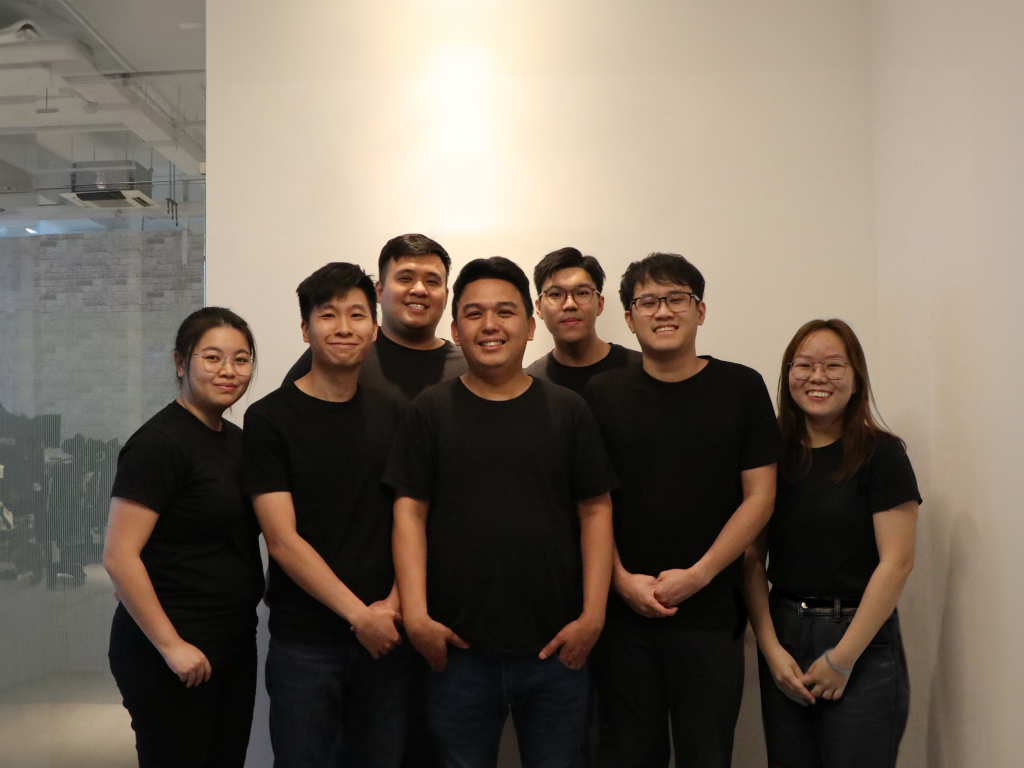
Techzu is an experienced custom software development firm in Singapore that helps Singapore SMEs and startups develop custom software that addresses their actual business challenges, from automating repetitive tasks to connecting existing systems and improving operational visibility.
With more than 120 successful projects delivered and a 95% client retention rate, our team has experience developing solutions for businesses across industries such as retail, manufacturing, logistics, F&B and professional services.
Our custom software development services include:
- CRM systems: Manage customer information, sales enquiries and follow-ups.
- ERP systems: Connect inventory, orders and other business operations.
- Web applications: Build browser-based platforms for employees and customers.
- Mobile applications: Give customers and field teams access to important functions on the go.
- Workflow automation: Reduce repetitive administrative work and manual processes.
- AI-powered software: Introduce AI capabilities such as AI agents to support business-specific tasks and workflows.
Whether you need a standalone application or integrated custom business software to manage several areas of your operations, we can help you plan a custom software solution that fits your needs. Explore Techzu’s Custom Software Development Services in Singapore or contact our team to discuss your project.
FAQs on Custom Software for Small Businesses in Singapore
The key benefits of custom software for small businesses in Singapore include improved productivity, automated workflows, better system integration, fewer manual errors, centralised business data, improved customer experiences, scalability, greater software control, potential long-term cost savings and better data security. These benefits help Singapore SMEs manage their operations more effectively and support business growth.
Custom software can be worth the investment when existing applications cannot support important business workflows or when employees spend too much time managing disconnected systems. However, businesses with straightforward requirements may find off-the-shelf software more affordable and practical.
When choosing a custom software development company, look at its industry experience, previous projects, technical capabilities, development process and post-launch support. Review its case studies to see whether it has built solutions for businesses with similar requirements. Also clarify project costs, timelines, software ownership and ongoing maintenance before committing.
Bespoke software improves operational efficiency for businesses by automating repetitive tasks, reducing manual data entry and connecting different business processes in one system. Instead of switching between multiple tools or relying on spreadsheets and paperwork, employees can manage their work more smoothly, access information faster and spend less time on administrative tasks.
Custom software development in Singapore can cost from $8,000 to $60,000 for smaller projects like web applications, while more complex business systems like CRM or ERP can cost $80,000 to $300,000 or more. The price really depends on the number of features, integrations, user roles, design requirements and overall project complexity.
The development timeline depends on the software’s scope and complexity. A small internal tool or dashboard may take several weeks, while more complex web applications, mobile apps and ERP systems can take several months. Planning, testing and user feedback also affect the overall timeline.
Yes. Custom software can integrate with existing applications through APIs, database connections and other integration methods. For example, a Singapore business may connect its custom CRM with accounting software, payment gateways, inventory platforms or marketing tools to reduce manual data entry.
Not necessarily. Both types of software can be secure when properly developed and maintained. Custom software allows businesses to implement specific access permissions and security features based on their requirements, but it still needs secure coding, testing, regular updates and proper data protection practices. A reliable custom software firm should also explain its security testing, maintenance and update processes.
Yes. Singapore SMEs may qualify for the EDGE Grant, which provides up to 50% funding for eligible activities, with up to $100,000 in total grant support per company each year. A $30,000 sub-limit applies to certain digital solutions. However, not every custom software project qualifies. SMEs must meet the eligibility criteria and apply before starting work or making any payment or deposit. Funding also depends on the approved project scope.
Not sure if your business qualifies? Reach out to us and we’ll help you check your company’s eligibility for the EDGE Grant.